Brick Repair Fort Worth | Professional Fort Worth Brick Repair Services
Expert brick replacement, crack repair, and structural restoration for homes and businesses in Fort Worth, Johnson and Tarrant County
At Fort Worth Brick Repair LLC, we specialize in high-quality brick repair services throughout Fort Worth, TX, and the greater DFW Metroplex. Our skilled masonry contractors bring over three decades of combined experience to every project. Texas homes face real challenges — clay soil shifts foundations, extreme heat spalls brick faces, and heavy rains wash away old mortar from joints. We understand these things and address them at the root.
Whether your property has cracked brick walls, bulging sections, loose mortar, broken bricks, or worn masonry from age and weather, we provide lasting solutions that restore both structural integrity and curb appeal. As a local Fort Worth masonry contractor, we pride ourselves on precise brick matching, seamless home repairs, and attention to detail that larger companies often overlook.
Common Brick Damage Issues in Fort Worth Homes
Fort Worth's climate and soil conditions make brick damage common. Here are the most frequent problems we repair:
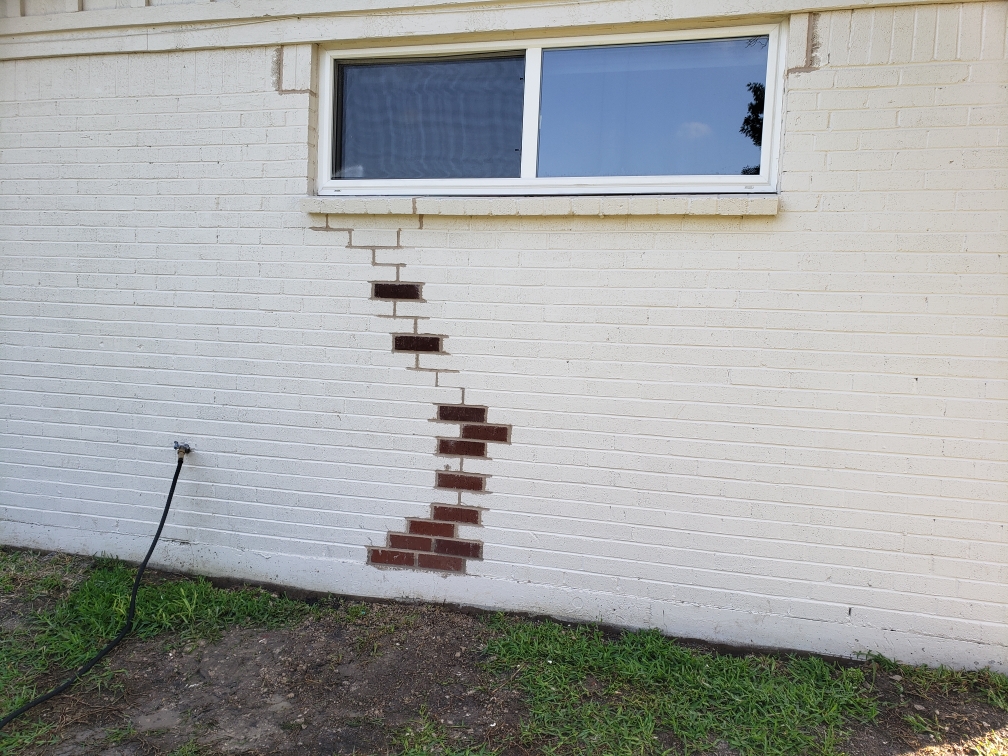
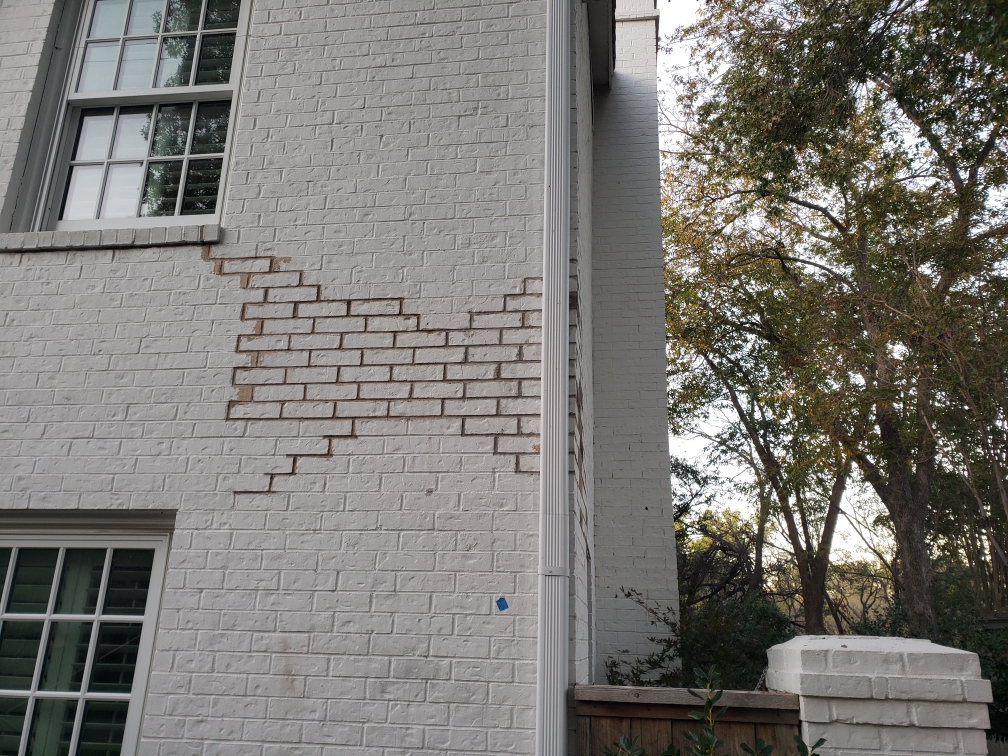
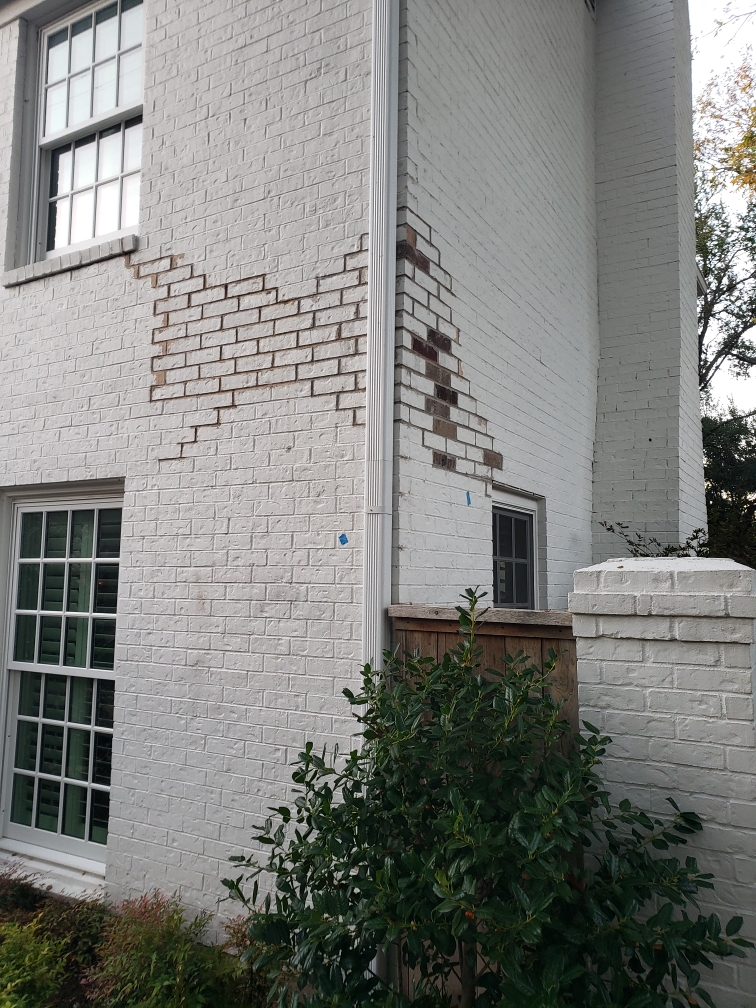
- Horizontal or stair-step cracks from foundation settlement
- Spalling (flaking) bricks due to moisture and freeze-thaw cycles
- Bulging or leaning walls indicating structural concerns
- Crumbled, loose mortar, or missing mortar joints — including excess mortar squeeze-out that has cracked away
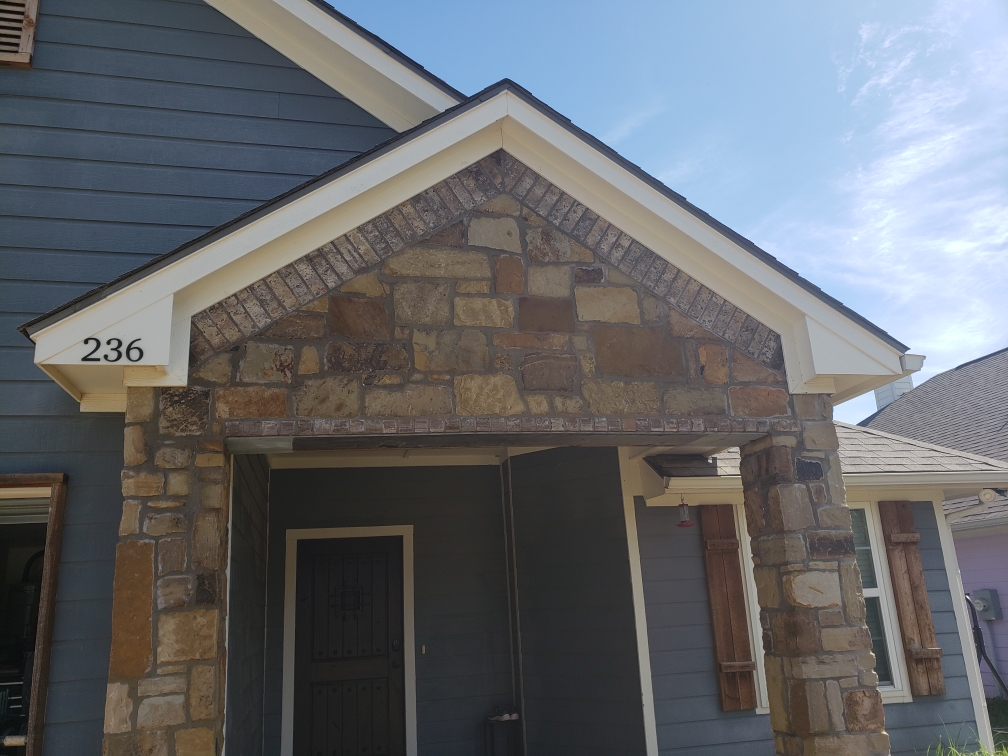
- Efflorescence (white powder) signaling water intrusion on brick, stone, or natural stone veneer
- Damaged chimneys, porch steps, retaining walls, or decorative brickwork
- Foundation cracks transferring stress to the brick veneer above
Ignoring these issues can lead to costly structural problems. Our brick repair Fort Worth team addresses root causes — not just surface symptoms — for repairs that last decades and protect your family and investment.
Our Brick Repair Process
- Free On-Site Inspection: We assess damage and identify underlying causes (e.g., drainage issues, soil movement) — every repair starts with time spent understanding your specific situation.
- Brick & Mortar Matching: We source or custom-match bricks for color, texture, and size — critical for historic Fort Worth homes in areas like TCU or Fairmount.
- Careful Removal & Replacement: Damaged bricks are removed using a hammer and cold chisel without harming surrounding masonry. A brick trowel is used to set each replacement unit with precision.
- Mortar Preparation: We mix a custom dry mortar mix matched to your existing joints, packing and tooling each joint so old mortar is fully replaced and no excess mortar remains on the face.
- Structural Reinforcement: When needed, we install helical ties or rebuild sections for stability.
- Finishing & Sealing: New mortar is tooled with a trowel to match existing profiles, and optional waterproofing protects against future damage.
- Cleanup & Final Walkthrough: Your property is left spotless, with a full explanation of the work completed.
As a fully licensed and insured masonry contractor in Tarrant County, we guarantee our workmanship and use only premium materials. Customers searching for "brick repair near me Fort Worth" choose us for reliable service, fair pricing, and results that enhance property value.
Why Choose Fort Worth Brick Repair LLC?
We're not just contractors—we're local craftsmen committed to preserving Fort Worth's architectural heritage while protecting modern homes. Our 5.0 Google rating from dozens of satisfied customers reflects our dedication to excellence.
Don't let brick damage worsen. Contact us today for professional brick repair in Fort Worth, Arlington, Keller, Southlake, and surrounding areas.
Common Causes of Brick Damage in Fort Worth & North Texas Climate
Brick damage in Fort Worth and Tarrant County is driven mainly by the region's expansive clay soil. This soil generates enough foundation movement to crack walls, displace brick veneer from the structural frame, and shift lintels above doors and windows. It swells with spring storms and contracts during summer drought — a recurring cycle that builds structural stress year after year.
Freeze-thaw cycles cause brick spalling as absorbed moisture expands inside porous brick faces during winter cold snaps, blowing off the hard-fired surface layer. Extreme summer heat above 100 degrees creates differential thermal expansion between brick and mortar, opening micro-cracks at bond lines. Poor drainage from downspouts, flower beds, or grading that slopes toward the house concentrates water against foundation walls, accelerating both efflorescence and loose mortar erosion.
Key Warning Signs You Shouldn't Ignore
Stair-step cracks following mortar lines — A classic indicator of foundation settlement from expansive clay soil — the crack follows the path of least resistance through mortar joints and typically widens at the top
Horizontal cracks along a single brick course — Lateral soil pressure is pushing the wall inward, or a shelf angle is corroding and losing its ability to support the veneer above
Spalling or flaking brick faces — Freeze-thaw moisture damage has destroyed the hard-fired surface; once this layer is gone, the softer interior brick erodes rapidly and cannot be reversed
Bulging or bowing wall sections — Corroded or broken wall ties have disconnected the brick veneer from the structural frame, allowing it to lean outward under its own weight
Efflorescence covering large areas of brick — Widespread white salt deposits indicate water is moving through the entire wall system, not just isolated joints
Gaps between brick walls and window or door frames — Ongoing foundation shift is separating the masonry envelope from framed openings, creating air and water entry points
Cracked or displaced lintels above openings — Steel lintels corrode and expand, or concrete lintels crack under foundation movement, concentrating stress at the weakest structural point
Loose bricks that move when pressed — Complete mortar bond failure means these bricks can fall without warning, creating a safety hazard and exposing the wall cavity
Vegetation growing from mortar joints — Plant roots force joints apart and hold moisture against the brick, compounding both structural and water damage simultaneously
Our Professional Brick Repair Process Step-by-Step
Detailed On-Site Inspection
Assess all visible damage, check for active foundation movement using crack monitors, evaluate wall tie condition, and inspect drainage patterns around the entire perimeter
Root Cause Diagnosis
Determine whether clay soil movement, thermal stress, corroded wall ties, drainage failure, or age is the primary driver so the repair addresses the underlying problem
Material Matching
Source replacement brick from salvage yards and specialty suppliers for exact color, size, and texture match; custom-mix mortar to match the existing shade, joint profile, and hardness
Safe, Precise Brick Replacement
Carefully remove damaged brick without disturbing surrounding courses, install helical wall ties for structural reinforcement where needed, and set new brick with proper bond and alignment
Waterproofing & Sealing
Seal all repaired joints and surrounding masonry with breathable sealers to prevent future moisture intrusion while allowing the wall to dry naturally
Cleanup, Testing & Final Walkthrough
Clean all surfaces, verify structural integrity of repairs, and review completed work with homeowner including warranty documentation
Before & After: Real Fort Worth Brick Repair Projects
Stair-Step Crack Repair in Ridglea Hills
Foundation settlement had opened a stair-step crack from ground level to the eave on a 1970s ranch home. We removed and replaced 60 damaged bricks with salvaged period-matched brick, repointed all surrounding joints, and installed crack monitors to verify the foundation had stabilized before sealing.
Spalling Brick Replacement on a Keller Home
Freeze-thaw damage had destroyed the faces of over 100 bricks across the north and west elevations. We sourced matching brick from a regional salvage supplier, replaced every spalled unit, and applied a breathable sealer to the exposed walls to prevent recurrence.
Wall Tie Failure Repair in North Richland Hills
A section of brick veneer was bulging outward two inches due to corroded wall ties. We carefully removed the displaced section, installed new stainless steel helical ties into the structural frame, and rebuilt the wall with the original brick in its correct position.
Lintel Replacement and Brick Repair in Haltom City
A corroded steel lintel above a garage opening had expanded and cracked the brick courses above it. We installed a new galvanized lintel, replaced the damaged brick with color-matched units, and repointed the entire opening perimeter.
Common Causes of Brick Damage in Fort Worth & North Texas
Fort Worth's expansive clay soil is the single largest contributor to brick damage across Tarrant County. This clay swells when saturated by rain and shrinks during drought — a cycle that shifts foundations, cracks walls, and separates brick veneer from the structural frame. Stair-step cracks and horizontal fractures along brick courses are classic signs of this movement affecting homes throughout Fort Worth, Arlington, and the DFW Metroplex.
Freeze-thaw cycles accelerate surface damage. Water absorbed into porous brick expands by roughly nine percent when it freezes, generating enough internal pressure to pop the face off individual bricks — a process known as brick spalling. Even a few seasons of freeze-thaw cycling can turn cosmetic issues into structural concerns, particularly on north-facing walls that stay damp longer. Using a hammer and chisel to remove damaged units before freeze-thaw worsens them is always the right call.
Summer temperatures regularly exceed 100 degrees, causing brick and mortar to expand at different rates and opening micro-cracks at the bond line. North Texas humidity then keeps moisture in those cracks and promotes efflorescence. Together, these conditions create a year-round stress cycle — which is why periodic professional brick repair is essential for protecting property value and keeping your home sound over time.
Before & After Brick Repair Examples
Our brick repair portfolio demonstrates the range of masonry issues we resolve for Fort Worth homeowners and property managers:
Stair-Step Crack Repair in TCU Area
Foundation settlement had created a prominent stair-step crack running from a window corner to the roofline. We removed the damaged bricks, installed helical ties to stabilize the wall section, sourced matching replacement bricks from a reclaimed brick supplier, and rebuilt the affected area with color-matched mortar. The finished repair is invisible to the eye, and the reinforcement prevents future cracking from normal soil movement.
Spalling Brick Replacement on North-Facing Wall in Arlington
Over two dozen bricks on a shaded north wall had spalled from repeated freeze-thaw exposure. We cut out each damaged brick individually, cleaned the cavities, and installed matching replacements with properly mixed mortar. The wall was then sealed with a breathable penetrating waterproofing treatment to prevent future moisture absorption and spalling.
Bulging Wall Stabilization in Historic Fairmount
A section of exterior wall had bowed outward approximately two inches due to deteriorated wall ties and moisture damage. We installed new stainless steel helical wall ties at regular intervals, carefully pushed the wall section back into alignment using temporary bracing, repointed all affected mortar joints, and sealed the repaired area. The wall is now structurally sound and visually straight.
Why Choose Professional Brick Repair Over DIY
Brick repair looks straightforward but involves critical decisions about structural assessment, material compatibility, and load-bearing considerations. Incorrect repairs can cause more damage than the original problem and may void homeowner insurance coverage.
Professional Brick Repair
- +Structural assessment to determine if cracks indicate active foundation movement or cosmetic settling
- +Precise brick matching for color, size, texture, and era using salvage yards and custom sourcing
- +Proper brick removal techniques that preserve surrounding masonry and maintain wall integrity
- +Helical tie installation and structural reinforcement when cracking indicates movement
- +Licensed, insured work with warranty documentation for insurance claims and home sales
DIY Brick Repair Risks
- -No ability to assess whether cracking is structural or cosmetic, risking hidden ongoing damage
- -Big-box store bricks rarely match existing Fort Worth brickwork in color, size, or texture
- -Removing bricks without proper technique can crack adjacent units and weaken the wall section
- -Caulk or mortar patch products sold at retail are cosmetic only and fail within one to two seasons
- -No structural reinforcement means repaired areas crack again during the next soil movement cycle
Fort Worth's clay soil makes structural assessment especially important. A crack that appears cosmetic may actually indicate ongoing foundation movement that requires stabilization before any brick repair will hold. A professional masonry contractor identifies these root causes and addresses them as part of the repair, ensuring the work lasts through future soil cycles rather than failing within months.
Frequently Asked Questions About Brick Repair in Fort Worth
How much does brick repair cost in Fort Worth?
Costs range from $500–$2,000 for small repairs to $5,000+ for major wall rebuilding. We provide free estimates with transparent pricing.
How long does brick repair take?
Most projects take 2–5 days, depending on scope. We work efficiently without compromising quality.
Do you match old bricks for historic homes?
Yes—we specialize in sourcing and matching bricks for Fort Worth's historic districts.
Is brick repair covered by insurance?
Often yes for storm or sudden damage. We can provide documentation for claims.
Related Guides & Tips for Your Masonry Needs
Protecting Brick & Masonry in Winter
Prevent brick spalling and freeze-thaw damage with proper winter maintenance in Fort Worth's climate
Tuckpointing Services in Fort Worth
Complete your brick repair with professional tuckpointing for damaged mortar joints and lasting protection
Brick Waterproofing Solutions
Seal repaired brickwork to prevent future water damage and efflorescence in North Texas
The Ultimate Tuckpointing Guide
Learn how proper mortar repair complements brick replacement for complete masonry restoration
Historic Brick Restoration Services
Specialized brick matching and restoration for Fort Worth's historic homes and buildings
Signs Your Chimney Needs Repair
Identify brick damage and spalling on chimneys before minor issues become major repairs
Get Your Free Inspection Today
No obligation — we come to you, assess the damage, and give you an honest quote.
Ready for Expert Brick Repair in Fort Worth?
Get your free estimate today — no obligation, just honest advice.
Request Free Estimate