If you own a brick home in Fort Worth, you have probably noticed patches where the brick surface is flaking, chipping, or crumbling away in layers. That damage has a name: spalling. It is one of the most common masonry problems across Tarrant County and North Texas, driven by a combination of expansive clay soil, extreme temperature swings, and moisture that has no business being inside your brick. Left alone, spalling accelerates quickly and can compromise the structural envelope of your home.
This guide explains what spalling is, why it happens so often in our climate, how to spot it early, and what professional spalling brick repair in Fort Worth looks like from start to finish.
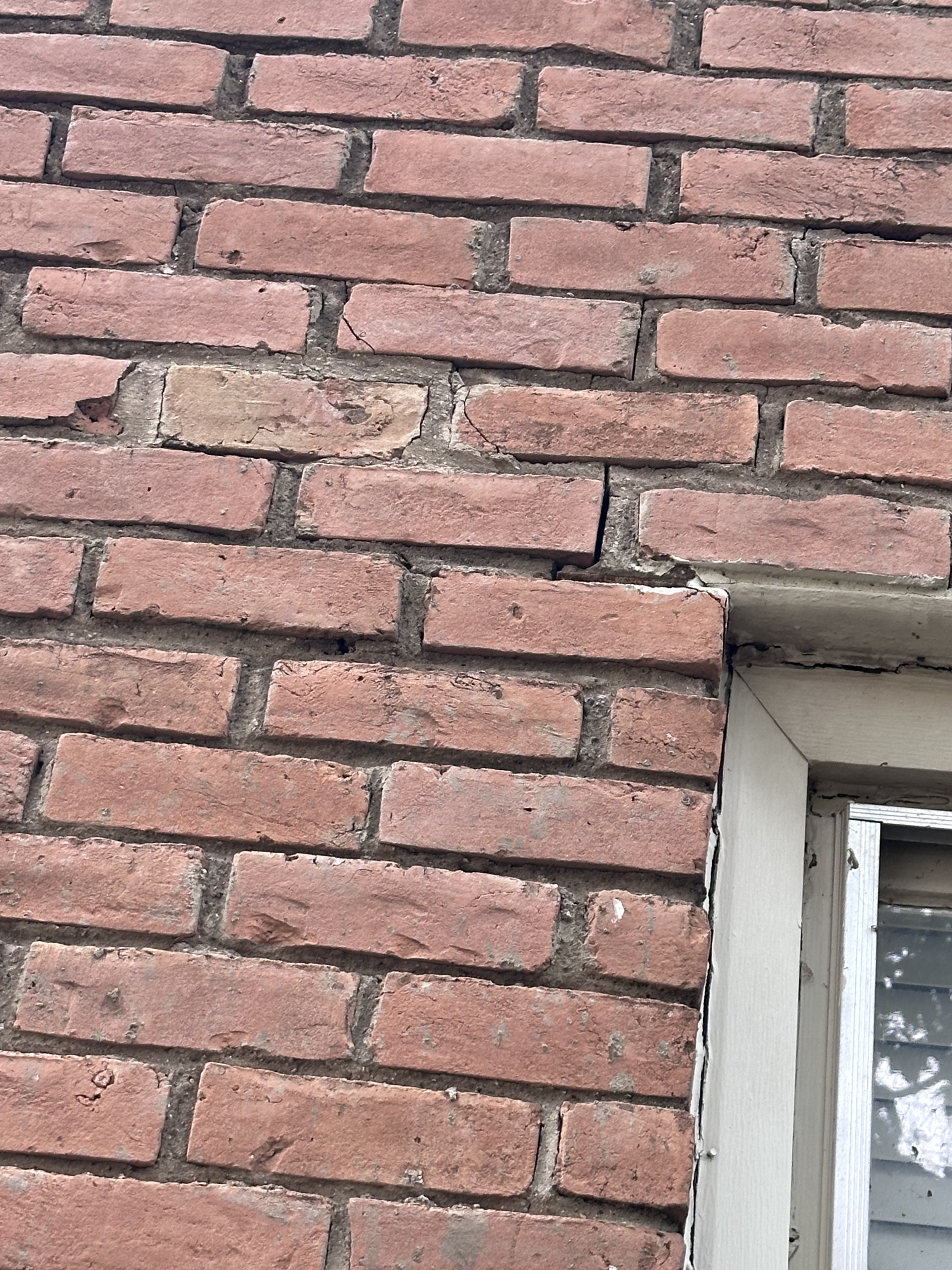
What Is Brick Spalling?
Spalling occurs when moisture trapped inside a brick freezes, expands, and breaks away the hard-fired outer face of the unit. The term covers everything from small surface flakes to large chunks of brick separating from the wall. Once that protective outer shell is gone, the softer interior core is exposed directly to weather, and deterioration accelerates at many times the original rate.
In severe cases, entire bricks disintegrate into powder, leaving gaps in the wall that allow water, air, and insects into the structure behind it. Spalling is not cosmetic damage. Every flaked brick is a brick that can no longer keep water out of your wall cavity.
Common Causes of Brick Spalling in North Texas
Fort Worth sits on some of the most active expansive clay soil in the country. This soil swells when saturated and contracts during drought, generating foundation movement that cracks mortar joints and shifts brick veneer. Those cracks become entry points for water, and once moisture is inside the brick, the real damage begins.
North Texas experiences 20 to 30 freeze-thaw cycles per winter. Each time temperatures drop below freezing, water trapped inside porous brick expands by roughly nine percent. That expansion exerts thousands of pounds of pressure per square inch against the interior walls of the brick, and over multiple cycles, the hard-fired face literally pops off.
Summer heat above 100 degrees followed by cool evenings creates additional thermal stress that widens micro-cracks at the mortar-to-brick bond line. High humidity slows drying and keeps walls damp for extended periods, giving freeze-thaw cycles more moisture to work with.
Poor drainage from improperly aimed downspouts, flower beds built against the foundation, or grading that slopes toward the house concentrates even more water against the brick. Older homes in historic Fort Worth neighborhoods face additional risk from decades of accumulated moisture cycling and from previous repairs made with overly hard Portland cement mortar that traps moisture inside softer original brick.
Image: Brick wall showing freeze-thaw spalling damage with visible mortar joint deterioration in Fort Worth
Warning Signs of Brick Spalling & When to Act
Spalling often starts small and in hard-to-see locations, which is why catching it early matters. Watch for these indicators:
- Small surface flakes or chips on individual bricks are the earliest visible stage of spalling and the most affordable to fix.
- Rough or gritty brick surfaces compared to healthy brick nearby indicate the fired face is beginning to break down.
- Patches of exposed lighter-colored brick core beneath the darker fired surface confirm the protective outer layer has separated.
- White powdery efflorescence on or near damaged areas confirms moisture is moving through the brick and depositing dissolved salts.
- Cracks running through individual bricks rather than along mortar lines suggest internal freeze-thaw pressure is splitting the unit.
- Multiple bricks in the same area showing damage simultaneously point to a systemic moisture problem, not isolated wear.
- Recessed or crumbling mortar joints surrounding spalled bricks indicate the mortar failed first, allowing the water in.
- Damp spots on interior walls behind spalled exterior areas confirm moisture has penetrated the full wall assembly.
If you notice any combination of these signs, do not wait for the next storm season. Brick flaking in Texas clay soil compounds with every freeze-thaw cycle, and what starts as a few flaked bricks in winter can become a dozen by spring. Early intervention saves significant cost compared to waiting until full brick replacement is needed.
DIY vs Professional Spalling Brick Repair
The internet is full of advice about patching spalled brick with mortar skim coats, epoxy fillers, or concrete resurfacers. These approaches fail in Fort Worth's climate for several important reasons:
- Surface patches do not bond permanently to the exposed brick core and delaminate within one to two seasons of thermal cycling.
- Mortar skim coats trap moisture behind the patch, making the underlying spalling worse rather than better.
- Epoxy and concrete fillers have different expansion rates than brick and crack loose during temperature swings.
- Patching visible damage without fixing the moisture source guarantees the problem will return in adjacent areas.
Professional spalling brick repair addresses the root cause first. A qualified masonry contractor will determine whether the moisture is entering through failed mortar joints, poor drainage, rising damp from soil, or a combination of sources. Only after the water path is identified and corrected does the actual brick replacement begin.
Professionals source replacement brick that matches your existing wall for color, size, texture, and hardness. Using brick that is too hard or too soft relative to the surrounding masonry creates differential stress and new failure points. The mortar must also be matched for composition and hardness, not just color. This level of material matching is not available at retail stores and requires access to salvage suppliers and custom mortar mixing.
Image: Side-by-side comparison of failed DIY brick patch versus professional brick replacement
Our Professional Repair Process for Spalling Bricks
Our approach to spalling brick repair in Fort Worth follows a proven sequence designed to fix the problem permanently rather than temporarily:
Thorough On-Site Inspection
We examine every wall face for spalling, efflorescence, mortar failure, and drainage issues. We check for active foundation movement and evaluate whether the spalling is isolated or part of a broader moisture problem.
Root Cause Diagnosis
We trace the water path that created the damage using moisture meter readings, mortar joint evaluation, drainage assessment, and checks for rising damp from clay soil contact.
Brick & Mortar Matching
We source replacement brick from regional salvage yards and specialty suppliers, selecting units matched for color, size, surface texture, and fired hardness. Mortar is custom-mixed to match existing composition, shade, and joint profile.
Precise Brick Replacement
We carefully remove every spalled brick without disturbing surrounding healthy courses, clean the cavity, and set replacement brick with proper bond and alignment. Where wall ties have corroded, we install new stainless steel helical ties.
Moisture Source Correction & Sealing
We repoint all surrounding deteriorated joints, correct drainage issues, and apply breathable silane/siloxane sealers that repel liquid water while allowing trapped vapor to escape through the masonry.
Cleanup & Final Walkthrough
We clean all surfaces, remove debris, and walk through the completed work with you to confirm every detail meets your expectations.
Prevention Tips for Fort Worth Weather
Protecting your brick from spalling starts with managing moisture before it gets inside:
- Keep gutters clean and ensure downspouts direct water at least four feet away from the foundation.
- Maintain positive grading that slopes soil away from the house on all sides.
- Do not stack mulch, soil, or flower beds directly against brick surfaces, as these hold moisture against the masonry.
- Inspect mortar joints annually and have deteriorated joints repointed before they become water entry points.
- Apply a breathable penetrating sealer to exposed walls, especially north-facing and west-facing elevations. Learn more about masonry waterproofing options.
- Check sprinkler systems to verify no heads are spraying directly onto brick walls.
- Address foundation cracks promptly, since foundation movement opens the mortar joints that let moisture in to start the spalling cycle.
Get a Free Spalling Brick Inspection
Spalling brick damage is not something that stabilizes on its own. Every storm season and every freeze-thaw cycle makes it worse. If you have noticed flaking, chipping, or crumbling brick on your Fort Worth home, the most cost-effective time to address it is now, before the damage spreads to adjacent bricks and the repair scope increases.
Contact Fort Worth Brick Repair for a free on-site inspection and estimate. We will identify the cause, show you exactly what needs to be fixed, and give you a straightforward plan to restore your brick to sound, weather-resistant condition.
Request Your Free Estimate