Retaining Wall Repair in Fort Worth, Texas
Expert repair and rebuilding of leaning, cracked, or failing brick and stone retaining walls in Fort Worth and Tarrant County
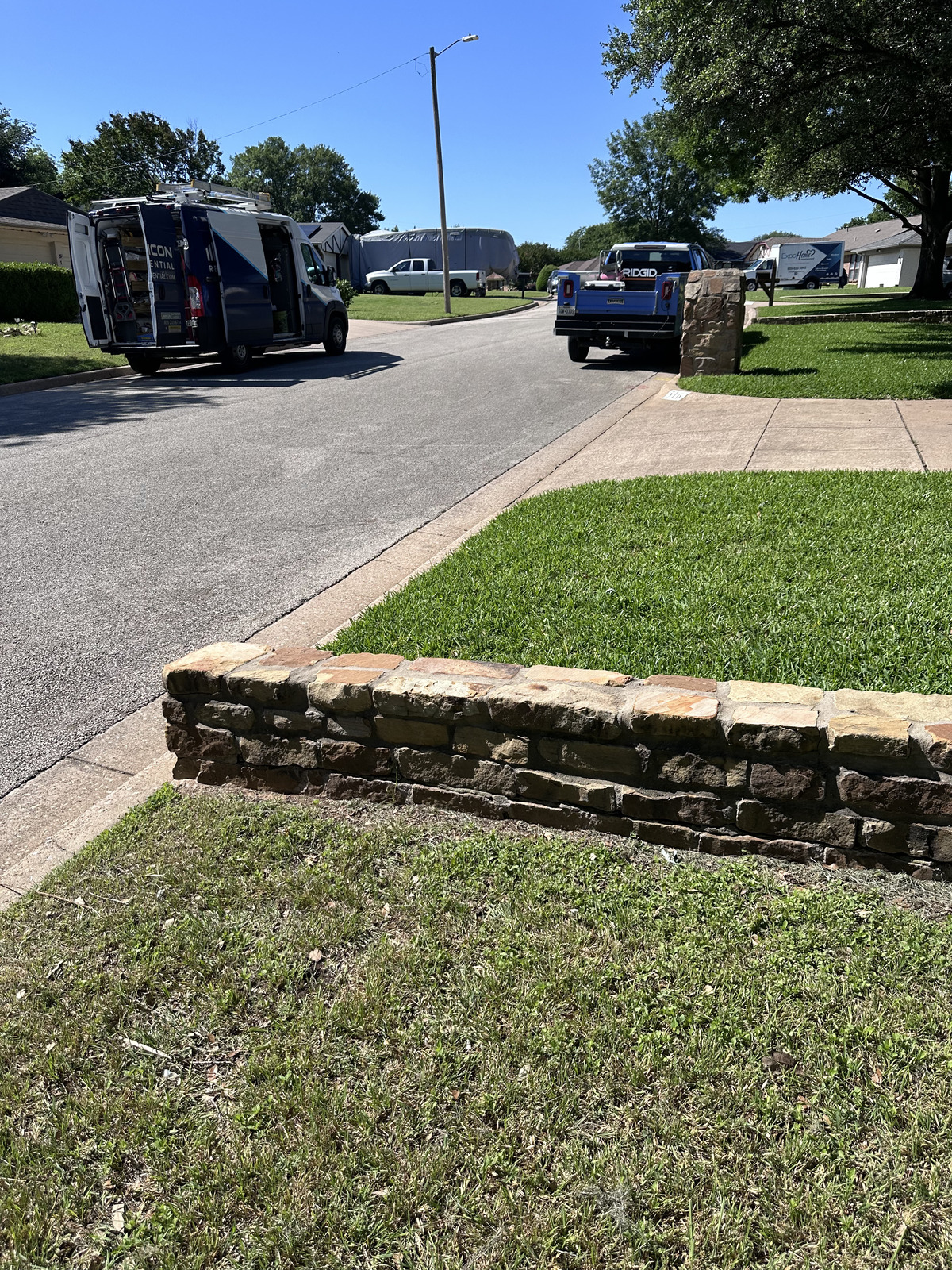
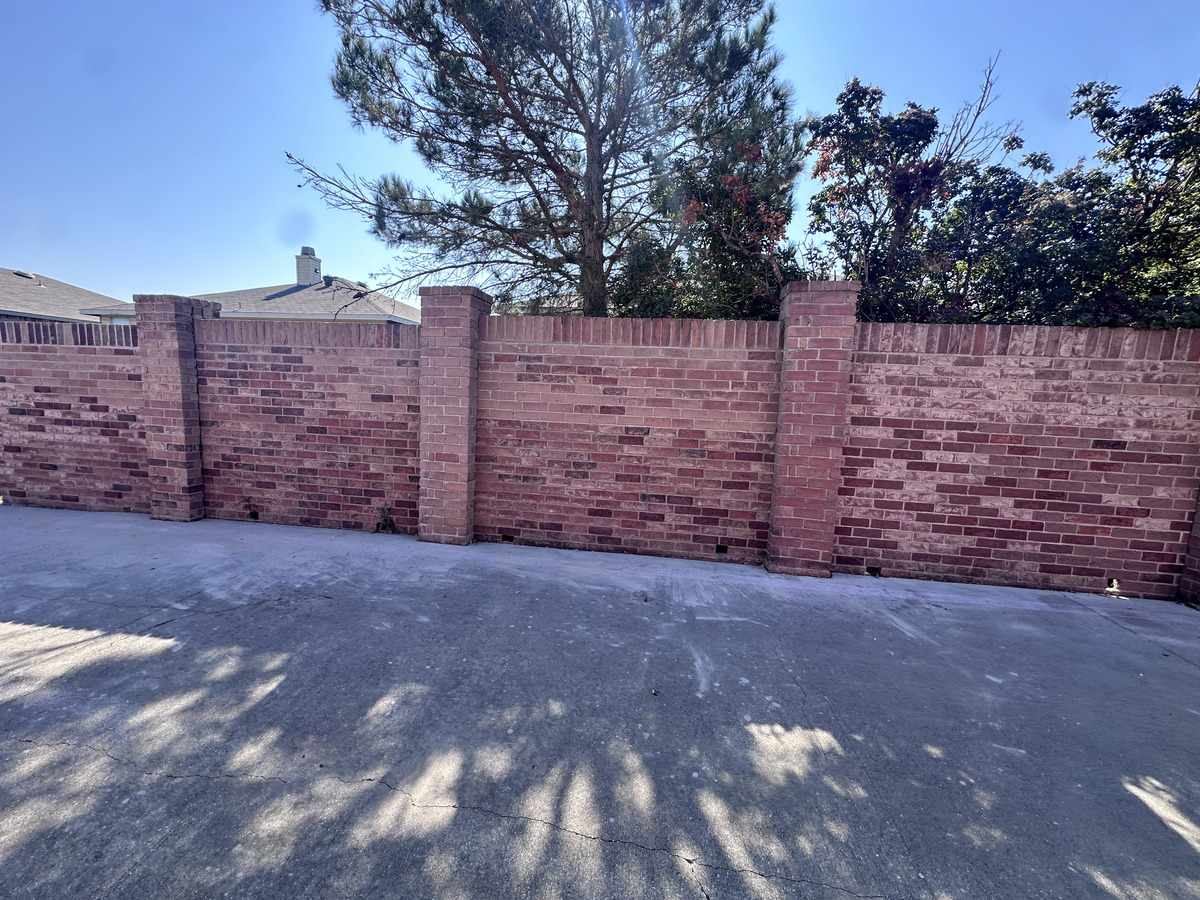
At Fort Worth Brick Repair LLC, we specialize in professional retaining wall repair and rebuilding throughout Fort Worth, TX, and the surrounding Tarrant County area. Retaining walls are essential for managing soil erosion, creating level yards, and adding landscape features, but Texas' expansive clay soil and heavy rains often cause them to lean, crack, bulge, or fail over time.
As experienced masonry contractors, we repair brick, stone, and concrete block retaining walls of all sizes—from small garden walls to large structural ones. Our repairs restore stability, prevent further damage, and enhance your property's safety and appearance.
Common Retaining Wall Problems in Fort Worth
Fort Worth's soil and weather create frequent retaining wall issues:
- Leaning or bowing walls from soil pressure
- Cracks in bricks or blocks
- Bulging sections indicating hydrostatic pressure
- Poor drainage causing water buildup behind the wall
- Collapsed or failing sections
- Erosion at the base or top
Ignoring these problems can lead to complete wall failure and landscape damage. Our retaining wall repair Fort Worth team addresses root causes for permanent solutions.
Our Retaining Wall Repair Process
- Site Evaluation: Assess wall condition, soil pressure, drainage, and foundation.
- Excavation & Support: Temporarily brace the wall and excavate behind as needed.
- Drainage Improvement: Install or repair weep holes, drainage pipe, and gravel backfill.
- Structural Repair: Rebuild damaged sections, install helical ties or anchors for stability.
- Brick/Block Replacement: Match and replace damaged materials for seamless appearance.
- Final Finishing: Clean, seal, and landscape restoration.
Searching for "retaining wall repair near me Fort Worth"? Our licensed team delivers safe, code-compliant repairs with a workmanship guarantee. We serve residential and commercial properties across Arlington, Keller, and the DFW area.
Protect your landscape investment — contact us for expert retaining wall repair today.
.jpeg)
Common Causes of Retaining Wall Failure in Fort Worth & North Texas Climate
Retaining walls in Fort Worth bear enormous lateral pressure from expansive clay soil that swells dramatically when saturated and contracts during drought. This cyclic push-and-pull generates stress that cracks mortar, displaces blocks, and tilts entire wall sections over time. A single cubic foot of saturated Tarrant County clay can exert hundreds of pounds of lateral force against a wall, and that pressure is released and reapplied with every wet-dry cycle.
Inadequate drainage behind walls allows hydrostatic water pressure to build during heavy rains, multiplying the load on the structure far beyond what the wall was designed to resist. Tree roots from oaks, pecans, and elms common to North Texas landscaping grow into mortar joints and drainage paths, displacing masonry from within and clogging weep holes that are supposed to relieve water pressure. Many retaining walls in Fort Worth were built without proper drainage systems, making them especially vulnerable to these combined forces.
Key Warning Signs You Shouldn't Ignore
Wall leaning or tilting away from retained soil — Soil pressure has exceeded the wall's structural capacity and the lean will worsen with each rain cycle unless the underlying pressure is relieved
Horizontal cracks running along mortar courses — Lateral force is bending the wall outward and breaking mortar bonds at the weakest points, indicating imminent structural failure if not addressed
Bulging sections in the middle of the wall — Hydrostatic water pressure is building behind the wall where drainage has failed, creating localized outward force that can cause sudden collapse
Water seeping through the wall face or base — Drainage behind the wall has failed completely and water pressure is forcing moisture through every available path in the masonry
Separation between the wall and adjacent structures — Differential foundation movement or lateral soil pressure is pulling connected paving, steps, or structures away from the retaining wall
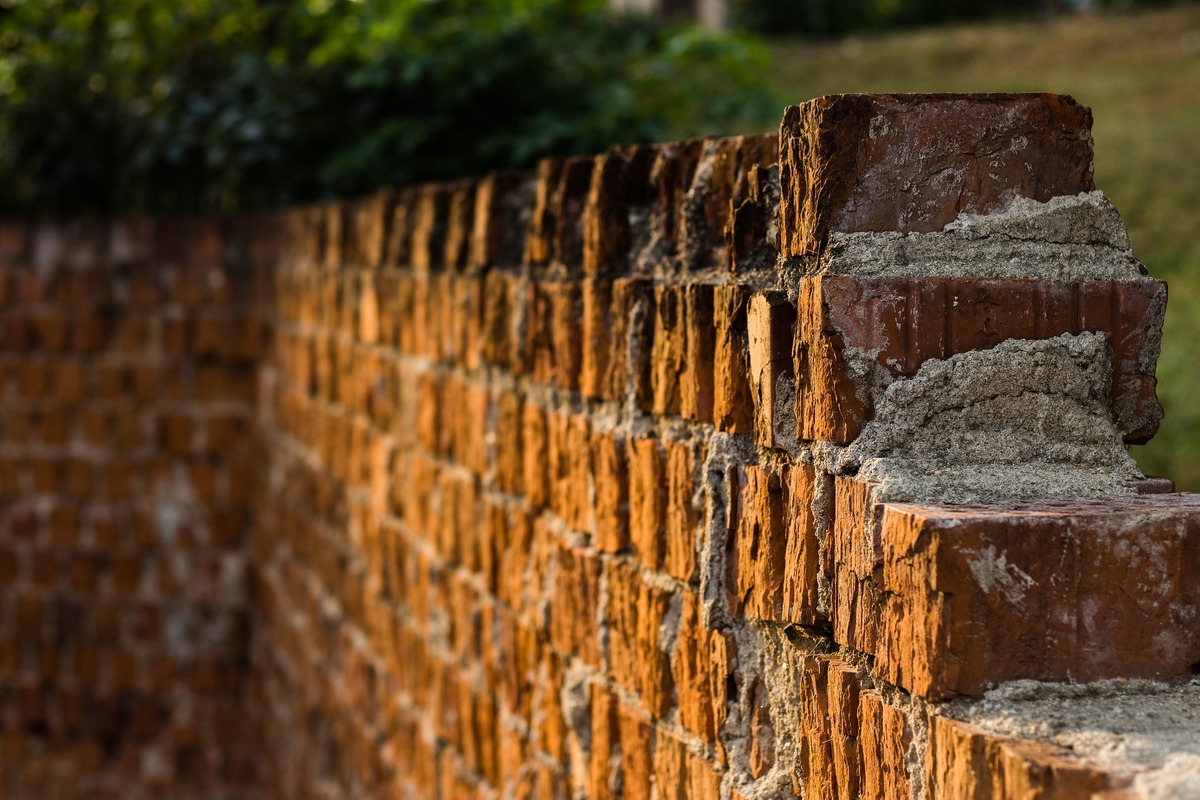
Crumbling mortar or displaced blocks and bricks — Combined moisture exposure and structural stress are destroying the mortar bond and allowing individual units to shift out of position
Soil erosion visible at top or base of wall — Structural undermining is in progress where soil is washing away from beneath the footing or over the top of the wall
Tree roots visible in mortar joints or weep holes — Root intrusion is actively compromising both the wall structure and the drainage system that protects it from water pressure
Standing water or saturated soil directly behind the wall — The drainage system has failed or was never installed, meaning every rain event increases lateral pressure on the structure
Our Professional Retaining Wall Repair Process Step-by-Step
Detailed On-Site Inspection
Evaluate wall lean, crack patterns, drainage status, soil conditions, footing integrity, and root intrusion across the full length of the structure
Root Cause Diagnosis
Determine whether clay soil expansion, drainage failure, root intrusion, footing erosion, or a combination of forces is driving the wall failure
Material Matching & Drainage Design
Source matching brick, block, or stone for seamless repair; design a French drain system with proper gravel backfill and drainage fabric to relieve future hydrostatic pressure
Structural Repair & Drainage Installation
Rebuild damaged sections with helical anchors or structural reinforcement, excavate behind the wall to install drainage pipe and gravel backfill, and clear or replace clogged weep holes
Waterproofing & Membrane Application
Apply waterproofing membrane to the soil-contact side of the wall before backfilling to prevent moisture migration through the masonry
Backfill, Landscape Restoration & Walkthrough
Compact drainage backfill in lifts, restore disturbed landscaping, and review all completed work and drainage function with homeowner
Before & After: Real Fort Worth Retaining Wall Projects
Leaning Wall Rebuild in Ridglea North
A four-foot retaining wall had tilted outward six inches due to clay soil pressure and no drainage behind it. We demolished the failed section, installed a French drain with proper gravel backfill, rebuilt the wall with a reinforced footing, and applied waterproofing membrane to the soil side. The wall has remained plumb through two full wet-dry seasons.
Root Intrusion Repair in Southlake
Large oak tree roots had grown through the mortar joints and clogged every weep hole in a 30-foot stone retaining wall. We removed the roots, replaced all damaged stone, installed root barrier fabric, and rebuilt the drainage system with new weep holes spaced every four feet.
Terraced Wall Restoration in Weatherford
A three-tier brick retaining wall system had multiple bulging and cracked sections from years of hydrostatic pressure. We repaired each tier from the bottom up, installed interconnected French drains behind all three levels, and repointed the entire structure with flexible mortar designed for retaining wall stress.
Driveway Retaining Wall in Burleson
A retaining wall supporting an elevated driveway had developed horizontal cracks across its full length, threatening to release the soil beneath the concrete slab. We installed helical tiebacks at 48-inch intervals, repointed all cracked joints, and added a drainage swale at the base to prevent future water accumulation.
Common Causes of Retaining Wall Failure in Fort Worth & North Texas
Fort Worth's expansive clay soil is the primary force behind retaining wall failure throughout Tarrant County. When rain saturates the clay behind a wall, the soil swells and generates enormous lateral hydrostatic pressure against the structure. A single cubic foot of saturated clay soil can exert hundreds of pounds of pressure. During drought, that same soil contracts and pulls away from the wall, then re-expands during the next rain cycle. This repeated push-and-pull is the leading cause of leaning, bowing, and cracked retaining walls in Fort Worth neighborhoods.
Inadequate drainage compounds soil pressure problems. Many retaining walls in the DFW area were built without proper weep holes, French drains, or gravel backfill. Without these drainage provisions, water has no escape route and builds up behind the wall. This hydrostatic pressure increases exponentially with wall height, which is why taller retaining walls fail more dramatically when drainage is absent. Freeze-thaw cycles add further stress as trapped water behind the wall expands during winter cold snaps.
Tree root intrusion is another common factor in North Texas. Large trees planted near retaining walls send roots seeking moisture behind the structure. These roots grow into mortar joints and drainage paths, displacing bricks, cracking blocks, and clogging weep holes. Combined with the mechanical pressure of growing roots, tree proximity can accelerate wall failure significantly. Professional retaining wall repair in Fort Worth addresses all these root causes, not just the visible damage.
Before & After Retaining Wall Repair Examples
Our retaining wall repair projects across Fort Worth demonstrate how proper engineering and craftsmanship restore both function and appearance:
Leaning Garden Wall Correction in Ridglea Hills
A four-foot brick retaining wall had tilted forward nearly three inches due to clay soil expansion and no drainage behind the structure. We excavated behind the wall, installed a perforated drain pipe in gravel bedding, added geotextile fabric to prevent soil migration, reset the wall to plumb using helical anchors, and repointed all mortar joints. The wall has remained straight and dry through multiple heavy rain events.
Collapsed Section Rebuild in Crowley
A 30-foot section of a stone retaining wall collapsed after sustained heavy rains overwhelmed the original drainage. We removed the failed section, re-graded the subbase, installed a comprehensive French drain system, rebuilt the wall with reinforced concrete block core and stone veneer matching the original, and added properly spaced weep holes. The reconstructed wall handles drainage loads far beyond the original design.
Historic Retaining Wall Restoration in Near Southside
An early 1900s brick retaining wall had extensive mortar erosion, displaced bricks from tree root intrusion, and multiple horizontal cracks. We carefully removed encroaching roots, replaced damaged bricks with reclaimed period-appropriate units, repointed the entire wall with lime-based mortar, and installed root barriers to prevent future intrusion. The wall retains its historic appearance while functioning structurally for decades to come.
Why Choose Professional Retaining Wall Repair Over DIY
Retaining walls are structural elements that resist thousands of pounds of soil pressure. Improper repairs can lead to sudden catastrophic failure that damages landscaping, driveways, foundations, and even adjacent properties. This is not cosmetic work; it requires engineering understanding.
Professional Wall Repair
- +Soil pressure analysis and drainage engineering to address the actual cause of failure
- +Helical anchors, deadman ties, and structural reinforcement for permanent stabilization
- +Proper French drain installation with gravel backfill and geotextile to manage water pressure
- +Code-compliant construction that meets Fort Worth permitting requirements for structural walls
- +Warranty-backed work with liability insurance protecting your property during construction
DIY Wall Repair Risks
- -No ability to calculate soil loads and drainage requirements, leading to repeated failures
- -Cosmetic repointing of a leaning wall does nothing to address the structural forces causing it to move
- -Inadequate drainage fixes allow water pressure to rebuild and cause the same failure again
- -Wall collapse during DIY excavation can cause injury and property damage with no insurance coverage
- -Unpermitted structural work creates legal liability and complications during property sale
Retaining wall repair in Fort Worth is inherently tied to the region's challenging clay soil. A professional contractor understands that fixing the visible damage without addressing soil pressure and drainage is a temporary solution at best. Proper repair means engineering the wall and its surroundings to handle the forces that caused the failure, ensuring the repair outlasts the original construction.
Frequently Asked Questions About Retaining Wall Repair in Fort Worth
How much does retaining wall repair cost in Fort Worth?
Minor repairs $1,000–$5,000; major rebuilds $10,000+. Free estimates always.
How long does retaining wall repair take?
3–10 days depending on wall size and damage extent.
Can you fix a leaning retaining wall?
Yes—we use helical ties, anchors, or full rebuilds for permanent correction.
Do retaining wall repairs require permits?
Often yes for structural work—we handle permitting when needed.
Related Guides & Tips for Your Masonry Needs
Signs Your Retaining Wall Needs Repair
Identify cracking, leaning, and drainage issues before they cause wall failure in Fort Worth
Retaining Wall Waterproofing
Professional waterproofing for retaining walls exposed to constant soil moisture and hydrostatic pressure
Retaining Wall Tuckpointing Services
Repair deteriorated mortar joints in brick and stone retaining walls for structural integrity
Concrete & Masonry Repair Tips
Complete guide to repairing concrete retaining walls and masonry structures in North Texas
Protecting Masonry in Winter
Prevent freeze-thaw damage to retaining walls with proper drainage and maintenance
Concrete Repair in Fort Worth
Expert concrete repair for retaining wall caps, footings, and structural elements
Get Your Free Inspection Today
No obligation — we come to you, assess the damage, and give you an honest quote.
Need Retaining Wall Repair in Fort Worth?
Prevent collapse and protect your landscape — get your free estimate today.
Request Free Estimate