Tuckpointing in Fort Worth, Texas
Professional mortar joint restoration for brick homes and buildings in Fort Worth and Tarrant County
At Fort Worth Brick Repair LLC, we specialize in expert tuckpointing and repointing services throughout Fort Worth, TX, and the greater DFW Metroplex. Tuckpointing (also called repointing) is the process of removing deteriorated mortar from brick joints and replacing it with fresh mortar to restore structural integrity and enhance appearance.
With over three decades of combined experience, our skilled masonry contractors understand how Texas weather—extreme heat, heavy rain, and expansive clay soil—accelerates mortar deterioration in Fort Worth homes and historic buildings. Properly done tuckpointing prevents water intrusion, stops brick shifting, and can extend the life of your masonry by decades.
Signs Your Fort Worth Home Needs Tuckpointing
Many homeowners search "tuckpointing near me" when they notice these common issues:
- Crumbled, missing, or recessed mortar joints
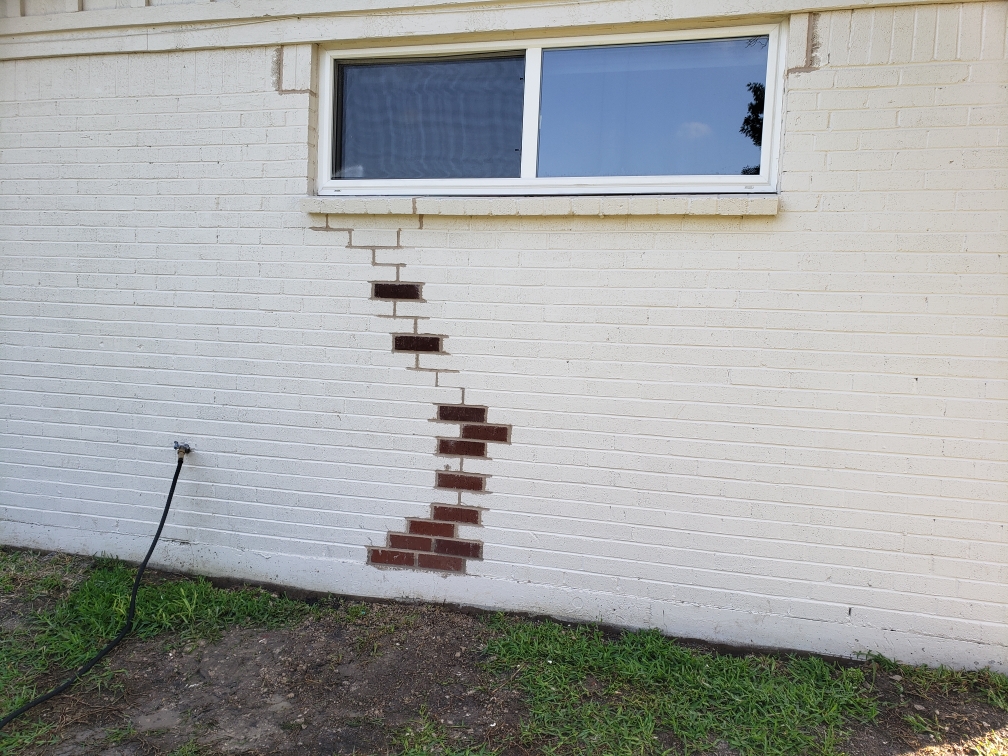
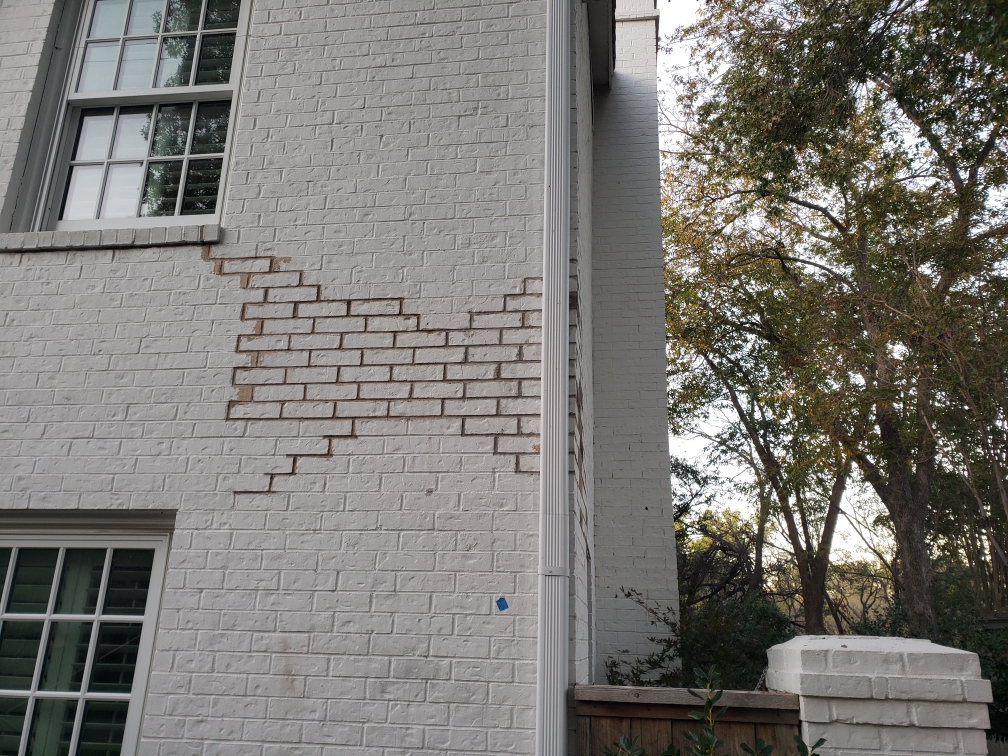
- Cracks in mortar or visible gaps between bricks
- White efflorescence (powdery deposits) on brick surfaces
- Water stains or dampness inside walls
- Loose or shifting bricks
Ignoring these signs can lead to major structural damage. Our tuckpointing Fort Worth team addresses problems early for cost-effective, long-lasting results.
Our Tuckpointing & Repointing Process
- Inspection & Assessment: We examine mortar depth, condition, and underlying causes.
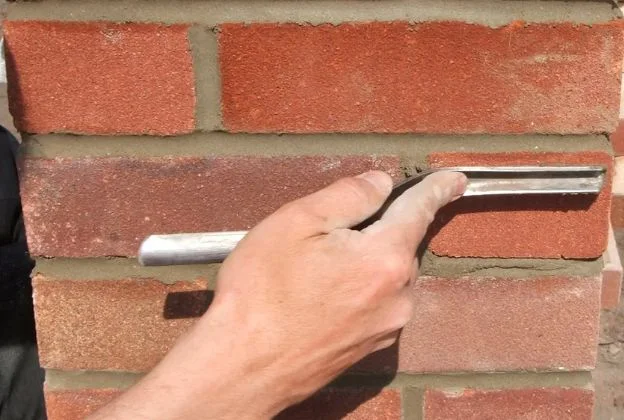
- Mortar Removal: Carefully grind out old, damaged mortar to proper depth (typically ¾–1 inch) without harming bricks.
- Joint Preparation: Clean joints and dampen for optimal adhesion.
- Color Matching: Custom-mix mortar to match existing color and composition (lime-based for historic buildings).
- Application: Pack new mortar tightly and tool joints to match original profile (concave, V, flush, etc.).
- Cleanup & Protection: Remove excess and apply optional sealant for added weather resistance.
As a licensed and insured masonry contractor serving Tarrant County, we guarantee precise workmanship that preserves your home's character while improving durability. Whether it's a modern home in Keller or a historic property in Fairmount, we deliver seamless results.
Searching for reliable "repointing services Fort Worth"? Contact us today for professional tuckpointing that protects your investment.
Common Causes of Mortar Failure in Fort Worth & North Texas Climate
Mortar joints in Fort Worth homes deteriorate faster than in most U.S. regions because the area's expansive clay soil applies constant lateral pressure against walls, concentrating stress at the mortar-to-brick bond line and grinding joints open over years. This soil movement is not a one-time event but a recurring cycle that compounds with every wet-dry season, gradually loosening mortar that was originally sound.
North Texas freeze-thaw events, averaging 20 to 30 per winter, expand trapped moisture inside mortar and widen micro-cracks with each cycle. Summer humidity above 70 percent keeps walls damp and promotes efflorescence that dissolves the calcium binder in mortar from within. Homes built before 1950 used softer lime-based mortar that is especially vulnerable to these conditions, and previous repairs with overly hard Portland cement can actually accelerate surrounding damage by trapping moisture and concentrating stress on original brick.
Key Warning Signs You Shouldn't Ignore
Recessed or crumbling mortar between bricks — Joints have eroded past serviceable depth and are no longer shedding water away from the wall cavity; once mortar recedes more than a quarter inch, deterioration accelerates dramatically
White powdery efflorescence on brick faces — Moisture migrating through failing joints is depositing dissolved salts on the surface, a visible indicator that water is moving through the wall system regularly
Visible gaps or entirely missing mortar sections — Water, insects, and air are entering the wall cavity freely, causing interior moisture damage, energy loss, and accelerated structural deterioration
Damp spots or water stains on interior walls — Moisture is passing through deteriorated mortar joints into the living space, meaning the wall envelope has been compromised
Loose or shifting bricks in the wall — Mortar bond has failed completely around individual bricks, and structural integrity of that wall section is diminished
Sand or mortar debris accumulating at base of walls — Active mortar deterioration is dropping granular material as joints erode, confirming ongoing damage
Hairline cracks running along mortar lines — Early-stage joint failure from soil stress, thermal cycling, or settling that will widen over time without repair
Moss, lichen, or dark biological growth in joints — Persistent moisture retention in damaged mortar is supporting organic growth, indicating joints are holding water instead of repelling it
Previous tuckpointing repairs that are a different color — Mismatched past repairs indicate the home has a history of mortar problems and likely needs comprehensive attention beyond spot fixes
Our Professional Tuckpointing Process Step-by-Step
Detailed On-Site Inspection
Examine mortar depth, joint profile, and overall condition across all wall faces; test mortar hardness to determine original composition; identify areas where previous repairs may have used incompatible materials
Root Cause Diagnosis
Determine whether weather exposure, soil-induced wall movement, poor original mix design, drainage problems, or incompatible previous repairs are driving the failure pattern
Custom Mortar Matching
Analyze existing mortar for color, aggregate, and composition; custom-mix replacement mortar to match the hardness, shade, and texture of your original joints so repairs are invisible on the finished wall
Precise Mortar Removal & Joint Preparation
Use thin-blade grinders and hand chisels to remove deteriorated mortar to a uniform depth of at least three-quarters of an inch without damaging adjacent brick faces
Repointing, Tooling & Sealing
Pack fresh mortar in controlled lifts to prevent shrinkage cracks, then tool each joint to match the original profile for weather resistance and seamless appearance; apply optional breathable sealer for extended protection
Cleanup, Inspection & Walkthrough
Remove all excess mortar from brick faces with appropriate cleaning methods, inspect every joint for consistency, and review completed work with homeowner
Before & After: Real Fort Worth Tuckpointing Projects
Full-Home Repointing in Fairmount Historic District
A 1920s Craftsman bungalow had mortar erosion across all four elevations with joints recessed over half an inch deep. We repointed the entire home with custom lime-based mortar matching the original cream color and concave joint profile. Efflorescence disappeared within weeks as the walls began shedding water properly again.
Chimney and Gable Tuckpointing in Southlake
Wind-driven rain had eroded mortar on the north-facing chimney and gable wall while the protected south side remained sound. We selectively repointed the damaged elevations with color-matched mortar and applied a breathable sealer to prevent future moisture absorption in the exposed areas.
Commercial Storefront in Downtown Fort Worth
A two-story retail building near Sundance Square had failing mortar that was allowing water into the upper-floor tenant space during storms. We completed full tuckpointing on the street-facing facade and sealed all window perimeters, eliminating the interior leaks and restoring the historic brick appearance.
Foundation-Level Repointing in Benbrook
Clay soil pressure had crushed mortar joints along the bottom four courses of a home foundation wall. We ground out the damaged mortar, repointed with a flexible polymer-modified mix designed for below-grade stress, and improved the grading to direct water away from the foundation.
Common Causes of Mortar Deterioration in Fort Worth & North Texas
Mortar joints are intentionally softer than the bricks they bond, designed to absorb stress and be replaced periodically. In Fort Worth's climate, this natural wear accelerates significantly. The region's expansive clay soil swells and contracts with moisture changes, creating lateral pressure on walls that concentrates stress at mortar joints. Over years, this ongoing movement grinds joints open and breaks the mortar-to-brick bond.
North Texas freeze-thaw cycles compound the problem. Water enters hairline cracks in aging mortar during fall and winter rains, then expands when temperatures drop below freezing. Each cycle widens those cracks fractionally, and Fort Worth typically sees 20 to 30 freeze-thaw events per winter. Within a few years, what started as minor surface erosion becomes recessed, crumbling joints that allow bulk water into the wall cavity.
Fort Worth's intense summer heat also plays a role. Temperatures above 100 degrees cause thermal expansion of brick and mortar at different rates, creating micro-fractures at the bond line. High humidity levels keep moisture present in walls for extended periods, promoting efflorescence as dissolved salts migrate to the surface. This salt crystallization within the mortar further weakens the material, making professional tuckpointing in Fort Worth essential for long-term masonry preservation.
Before & After Tuckpointing Examples
Our tuckpointing and repointing projects across Fort Worth demonstrate the dramatic difference proper mortar restoration makes to both appearance and structural integrity:
Historic Home Repointing in Fairmount District
A 1920s craftsman home had severely eroded lime mortar joints with gaps exceeding half an inch in many locations. We removed deteriorated mortar to proper depth, custom-mixed a lime-based mortar matching the original composition and warm buff color, and repointed the entire front facade. The finished joints are indistinguishable from the original work while providing decades of new weather protection.
Commercial Building Joint Restoration in Downtown Fort Worth
A three-story commercial building showed widespread mortar failure on the north-facing wall where moisture exposure was highest. Efflorescence covered large sections, and several bricks had begun to shift. We scaffolded the wall, ground out all failed joints, replaced three dozen spalling bricks, and repointed with Portland-lime mortar tooled to a concave profile. The completed wall is weather-tight and visually restored to its original condition.
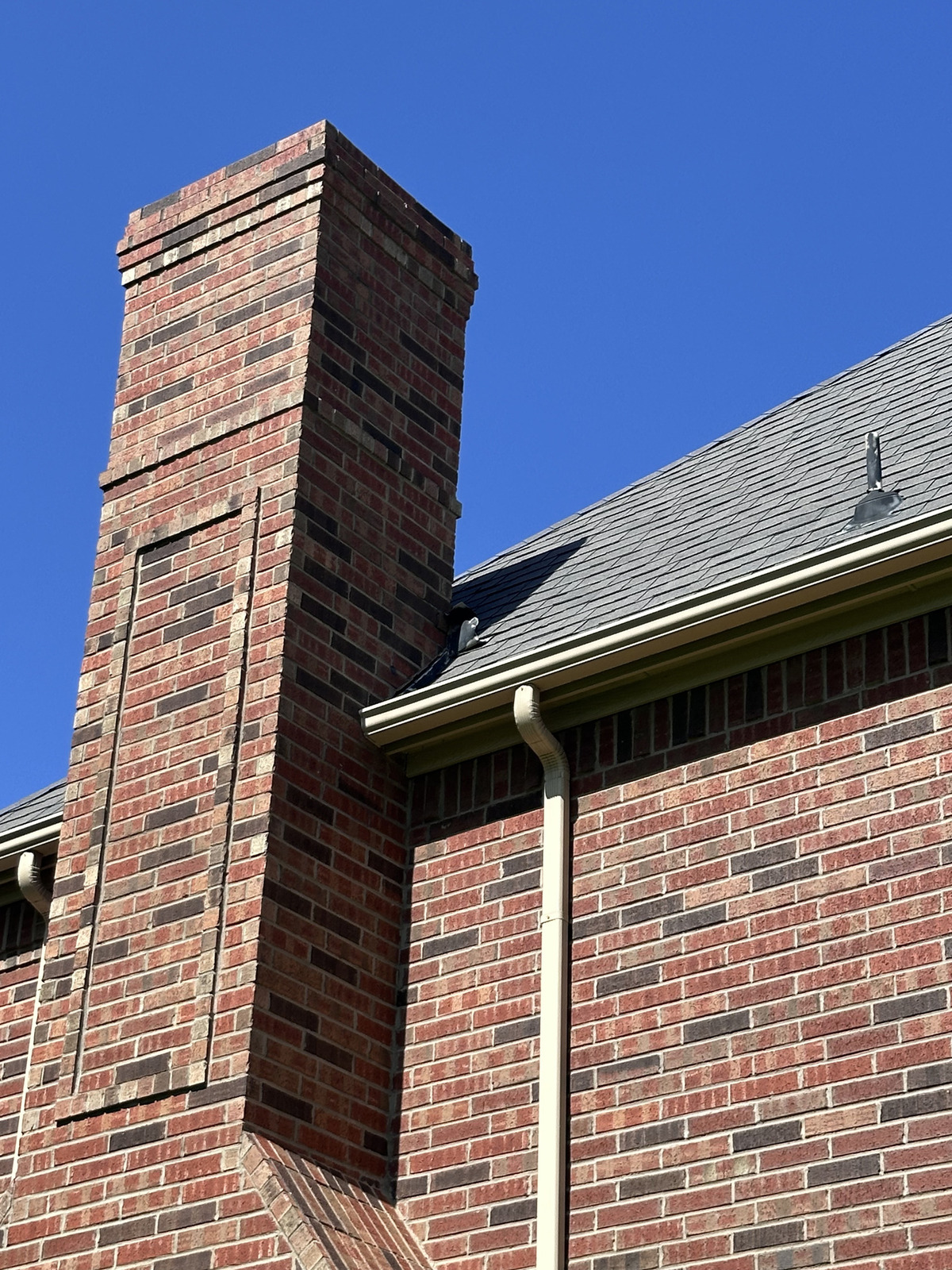
Residential Chimney and Wall Repointing in Southlake
A homeowner noticed water stains on interior walls near the fireplace. Inspection revealed failed mortar joints on both the chimney and adjacent wall section. We repointed all affected areas with color-matched mortar, sealed the chimney crown, and applied a breathable waterproofing treatment. The repair eliminated interior moisture problems and restored the exterior masonry appearance.
Why Choose Professional Tuckpointing Over DIY
Tuckpointing appears simple on the surface but requires precise technique to protect both the brick and the longevity of the repair. Incorrect mortar removal or application can cause permanent damage that costs far more to fix than the original problem.
Professional Tuckpointing
- +Mortar removed to correct depth without damaging brick faces using professional grinding tools
- +Custom mortar matching by color, composition, and hardness to complement existing brick
- +Proper joint tooling profiles that shed water and match the original aesthetic
- +Lime mortar expertise for historic Fort Worth homes where Portland cement can cause brick damage
- +Warranty-backed work with consistent results across entire wall sections
DIY Tuckpointing Risks
- -Aggressive mortar removal with a chisel or grinder chips brick faces, causing irreversible damage
- -Using mortar that is too hard for the brick traps moisture and accelerates spalling
- -Shallow mortar packing fails within months as the thin layer cracks and separates
- -Color mismatches create a patchwork appearance that reduces curb appeal and property value
- -No understanding of which joint profile is appropriate, leading to water trapping and accelerated failure
The most common mistake in DIY tuckpointing is using standard Portland cement mortar on older Fort Worth homes that were built with softer lime-based mortar. When hard modern mortar is packed against soft historic brick, moisture cannot escape properly. The brick becomes the weak point, leading to spalling and crumbling that requires expensive brick replacement rather than simple repointing.
Frequently Asked Questions About Tuckpointing in Fort Worth
How much does tuckpointing cost in Fort Worth?
Costs range from $10–$25 per square foot depending on height, access, and mortar type. We offer free estimates.
How long does tuckpointing last?
Properly done repointing lasts 25–50 years in Texas climate.
What's the difference between tuckpointing and repointing?
Repointing is replacing mortar. Tuckpointing is repointing with a thin contrasting line for decorative effect (common in historic work).
Do you use lime mortar for historic buildings?
Yes—we match original mortar composition for compatibility and breathability.
Related Guides & Tips for Your Masonry Needs
The Ultimate Tuckpointing Guide
Complete guide to tuckpointing for damaged mortar joints in Fort Worth's climate and soil conditions
Brick Repair & Replacement Services
Professional brick replacement and spalling repair paired with quality tuckpointing for lasting results
Chimney Repair in Fort Worth
Chimney tuckpointing and repointing to prevent water intrusion and structural damage
Protecting Brick & Masonry in Winter
Prevent freeze-thaw damage to mortar joints with proper winter maintenance and sealing
Waterproofing After Tuckpointing
Seal freshly repointed masonry to maximize the lifespan of your tuckpointing investment
Historic Masonry Restoration
Lime mortar tuckpointing and period-appropriate restoration for Fort Worth's historic buildings
Get Your Free Inspection Today
No obligation — we come to you, assess the damage, and give you an honest quote.
Need Tuckpointing or Repointing in Fort Worth?
Protect your brickwork with professional mortar restoration — free estimate today.
Request Free Estimate